Mobile home remodeling in Stillwater, MN follows a different rulebook than a typical house renovation. Federal HUD Code, a factory-built chassis, and the St. Croix Valley's freeze-thaw cycles all change how a project should be sequenced and priced. This guide covers planning, exterior priorities, interior updates, and real 2026 cost ranges, including a permitting detail most generic remodeling guides never mention.
Quick Overview
The highest-impact projects for manufactured homes are flooring, windows, doors, skirting, roofing, and kitchen or bathroom updates. In 2026, costs range from a few hundred dollars for a targeted repair to $15,000 or more for a comprehensive remodel, depending on scope and how much work you handle yourself.
Manufactured homes aren't built like site-built houses. They sit on a factory-built chassis, use manufactured wall panels and a belly board under the floor, and fall under federal HUD Code rather than standard local residential code. That means replacement parts don't always match what's on a generic hardware store shelf.
For Stillwater, MN homeowners, the local climate adds another layer. Heavy snow loads and freeze-thaw swings put extra stress on roofs, skirting, and underbelly insulation, which is worth factoring in before you start picking finishes.
Planning Your Mobile Home Remodel
A successful remodel starts with three decisions: your budget, your project order, and which jobs need a licensed professional. Getting these right up front saves money and prevents rework, especially since structural and exterior fixes should always come before cosmetic ones.
Set a Budget & Timeline
A workable remodel budget starts by identifying the spaces that get the most daily use.
Kitchens, bathrooms, and flooring usually top that list.
Build in buffer time and extra cash for surprises before you start demo.
A smarter project sequence works from the outside in and from the bottom up. Check the roof, the skirting, and the underbelly before touching anything inside. This protects your investment and avoids redoing interior work if a leak or moisture issue turns up later.
Realistic timeline expectations matter too. A single room refresh might take a weekend. A whole-home remodel involving systems work can stretch several months, particularly if you're scheduling multiple trades.
Get the Right Permits
Permits and regulations can get tricky when remodeling a manufactured home. Structural changes, electrical updates, plumbing modifications, and some exterior work typically require local sign-off.
Before starting, check with the Stillwater or Washington County building department to confirm what applies to your specific project. Requirements can shift depending on whether your home sits inside city limits or in a surrounding township.
Manufactured homes are also governed by the federal HUD Code, officially the Manufactured Home Construction and Safety Standards. All transportable sections of manufactured homes built in the U.S. after June 15, 1976 must contain a certification label, known as a HUD Tag, certifying the home section was built to the Standards. That cutoff matters in practice: homes built before mid-1976 predate the HUD Code entirely, which can change how a local inspector evaluates repairs on an older unit in a Stillwater-area manufactured home community. Local Minnesota permitting layers on top of that federal standard, so a change that's technically HUD-compliant may still need local approval before work begins.
Hire Professionals
DIY works well for cosmetic updates like paint, flooring, or cabinet hardware. For anything touching plumbing, electrical systems, or structural elements, hiring a licensed contractor is the safer call, and often the legally required one.
At BRZ Construction, owner and general contractor Brett Zollinger has spent over 20 years working on remodels across the Stillwater and Woodbury area, including older manufactured homes where standard framing assumptions don't hold up. Consulting a contractor early, before you've bought materials, tends to save homeowners the most money.
A general contractor can walk through scope and sequencing with you before a single wall comes down. If you're ready to put a number on your project, request a free estimate and get a realistic timeline back.
Exterior Remodeling: Roofing, Siding, Skirting, Windows, and Doors
The home's exterior envelope, roof, siding, skirting, windows, and doors, is the priority zone to address before any interior cosmetic work. This is what keeps weather, moisture, and pests out, and it's the layer Stillwater's climate tests hardest.
Roofing
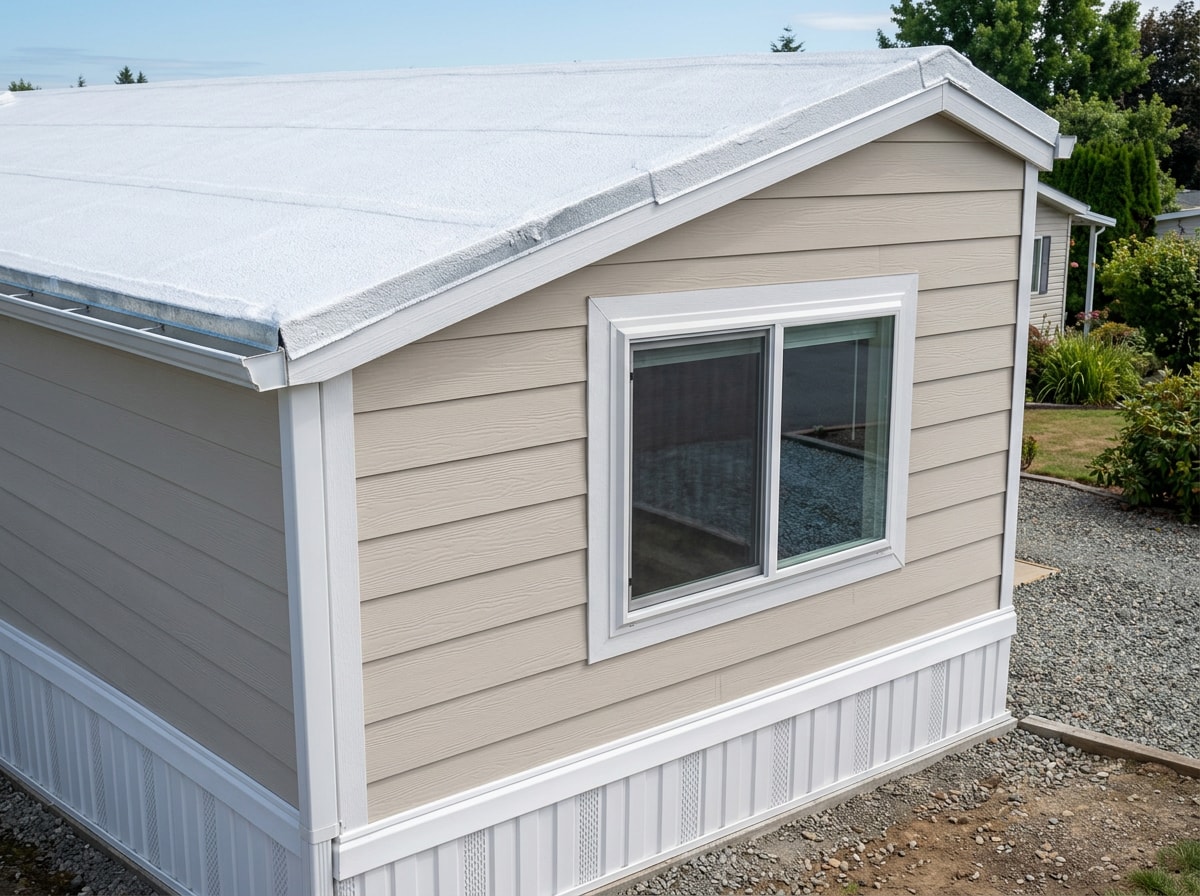
Roof coating for a single-wide typically runs $300–$600 DIY or $1,200–$2,500 professional, using elastomeric or aluminum coating. Double-wide homes run higher. A full roof replacement costs more but may be necessary if the roof deck has deteriorated.
Minnesota winters add a wrinkle national cost guides skip. Many manufactured homes have low-pitch roofs, which are more prone to snow load stress and ice-dam formation than steeper site-built roofs. Reflective or elastomeric coatings help, but ice-dam-prone homes may also need added attic ventilation or insulation work. A roof repair assessment before winter can catch these issues while they're still cheap to fix.
Siding and skirting round out the exterior. Siding replacement protects against moisture intrusion and updates curb appeal at the same time. For skirting, a single-wide runs $600–$1,500 DIY or $1,500–$3,500 professional, with vinyl the lowest-cost option and brick- or stone-look skirting running higher.
Window and door upgrades matter for efficiency and comfort both. Look for ENERGY STAR-certified windows when replacing these. They're built to perform better in cold climates, which can mean real savings on heating bills.
Flooring
Replacing old flooring can make a huge difference in how a manufactured home looks and feels. Vinyl plank flooring is a popular choice: affordable, durable, and easy to install. Laminate and engineered wood offer a stylish look without the cost of hardwood.
Flooring for a single room runs $200–$800 DIY or $600–$2,000 professional, not including subfloor repair if the belly board or decking underneath needs attention first. Checking subfloor condition before buying materials avoids an unpleasant surprise mid-project. If a belly board inspection turns up rot or sagging, that's a structural repair job, not a flooring one, and it needs to happen first.
Vinyl plank holds up particularly well in manufactured homes because it tolerates minor floor flex better than rigid materials. It's also forgiving for DIY installation if you're comfortable with basic tools.
Kitchen Remodeling
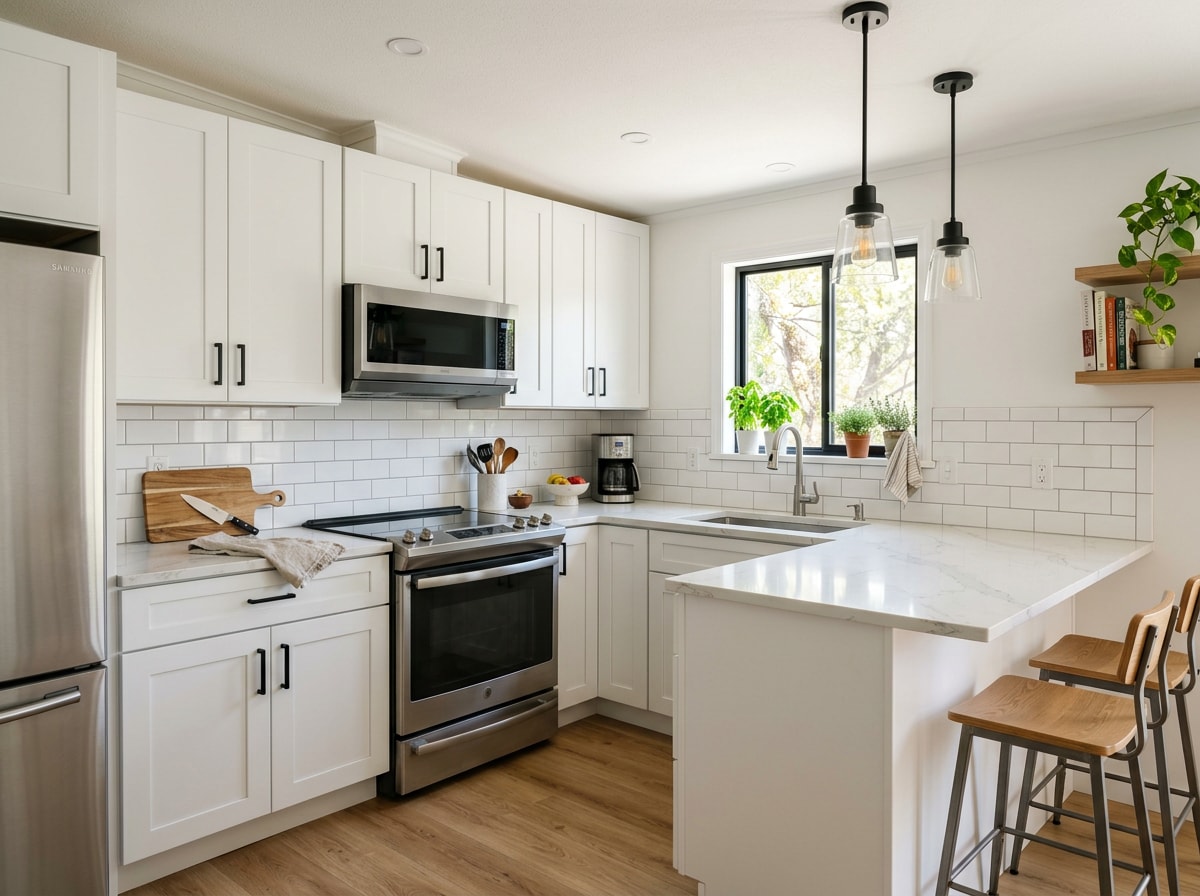
Updating the kitchen has one of the biggest visual payoffs in a mobile home remodel. Common projects include:
- Replacing or repainting outdated cabinetry
- Adding new countertops in laminate, butcher block, or quartz
- Installing a modern backsplash
- Swapping in energy-efficient appliances
Kitchen updates run $300–$1,500 DIY or $1,500–$5,000 professional for faucet, sink, hardware, and appliance swaps. A full cabinet and countertop overhaul costs more but changes the whole room.
Small changes often make an outsized difference. New hardware and a fresh backsplash can modernize a kitchen for a fraction of a full remodel's cost. For bigger projects, a kitchen remodeling consultation can outline what a full update involves and what it costs in your specific layout.
Bathroom Remodeling
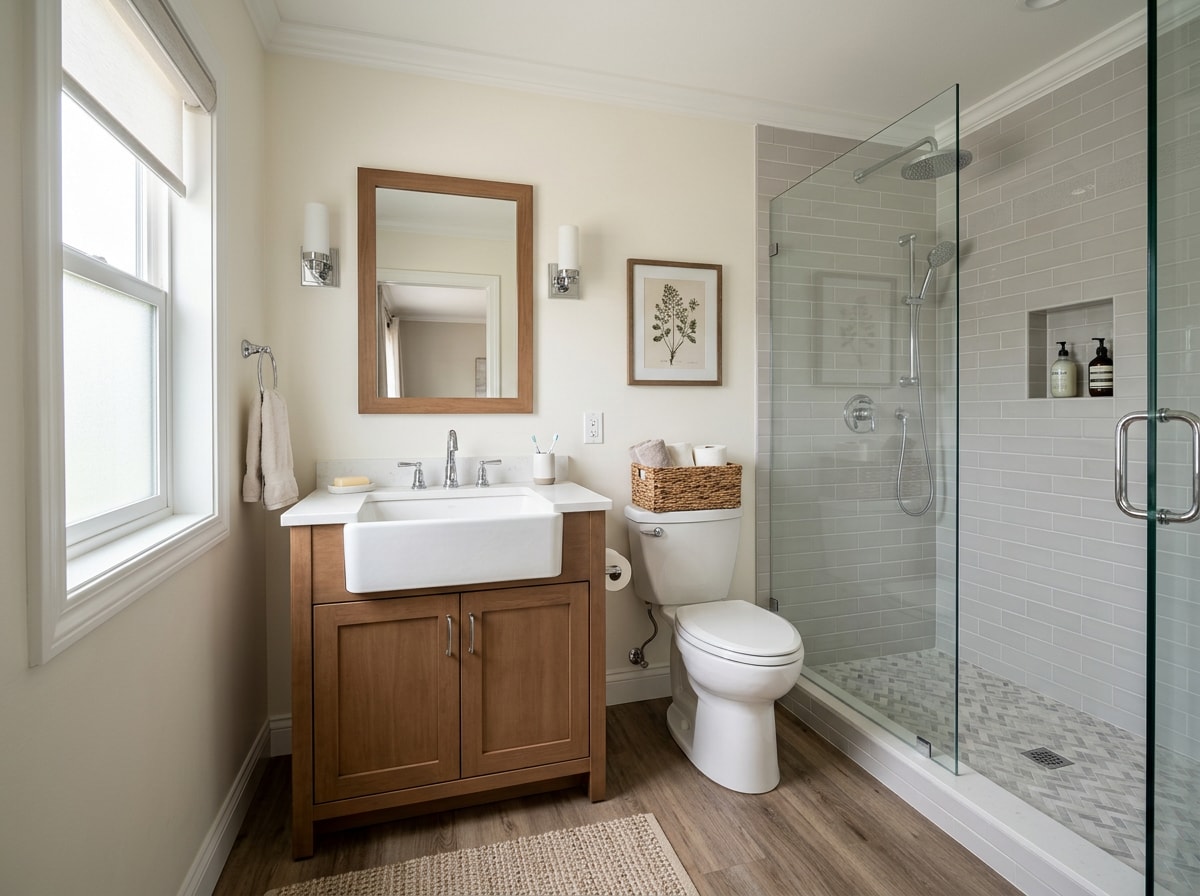
Bathrooms show up on nearly every mobile home remodeling checklist, and for good reason. They're high-use, high-visibility spaces. A full bathroom renovation runs $1,500–$4,000 DIY or $4,000–$10,000 professional, covering tub, surround, fixtures, toilet, and vanity.
If a full remodel isn't in the budget yet, smaller swaps still move the needle:
- New vanity, updated fixtures, or a fresh coat of paint
- Water-efficient shower heads
- Affordable tile for a feature wall
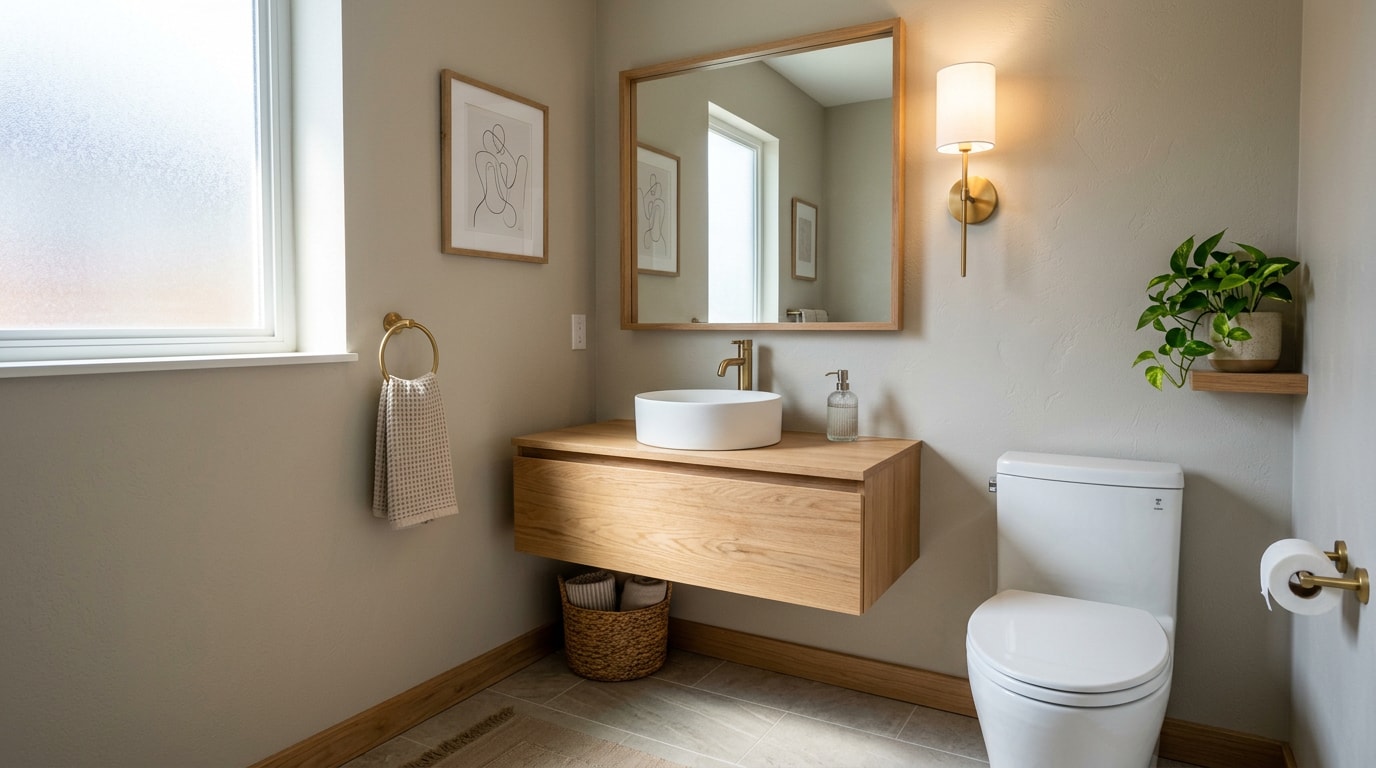
A vanity update alone, new cabinet, countertop, and faucet, can transform the room's feel without touching plumbing lines, keeping the project squarely in DIY territory for many homeowners. For a closer look at how these costs break down room by room, see our powder room remodel cost guide for Vadnais Heights, MN, which prices out fixtures, vanities, and labor in detail.
HVAC, Electrical, and Plumbing
System upgrades should happen before cosmetic finishes go in, not after. Older manufactured homes commonly have aging wiring, undersized plumbing, or thin insulation that wasn't built to current standards. These issues are easier and cheaper to address before new flooring or paint goes down.
Electrical upgrade work might involve updating panels or outlets to handle modern appliance loads. Plumbing projects often address aging supply lines or fixtures prone to leaks. Both should go through a licensed trade given the safety and code stakes involved.
For insulation and air sealing specifically, the U.S. Department of Energy's whole-house weatherization approach covers the building envelope, HVAC, and air sealing as one connected system, worth reviewing before closing up walls or skirting in a cold-climate state like Minnesota.
Budget-Friendly Remodeling Ideas
Not every homeowner is ready for a full remodel, and that's fine. Plenty of low-cost updates deliver a noticeable refresh.
A budget-friendly pass might include:
- Updating kitchen appliances and installing synthetic countertops
- Painting walls, ceilings, doors, and cabinets
- Replacing cabinet doors and fixtures
- Swapping bathroom flooring, mirrors, and toilet seats
- Updating outlet covers and light fixtures
- Installing thicker trim for a more finished look
These projects can be done incrementally as budget allows.
Interior Walls
If an older manufactured home's walls are already lined with plywood paneling, replacing those panels is a way to update the look that costs less than tearing out and installing sheetrock with paint. This swap refreshes the room while working with the home's existing wall structure rather than against it. For a bigger interior overhaul, interior remodeling services can handle wall, ceiling, and trim changes together.
Maximize Your Space
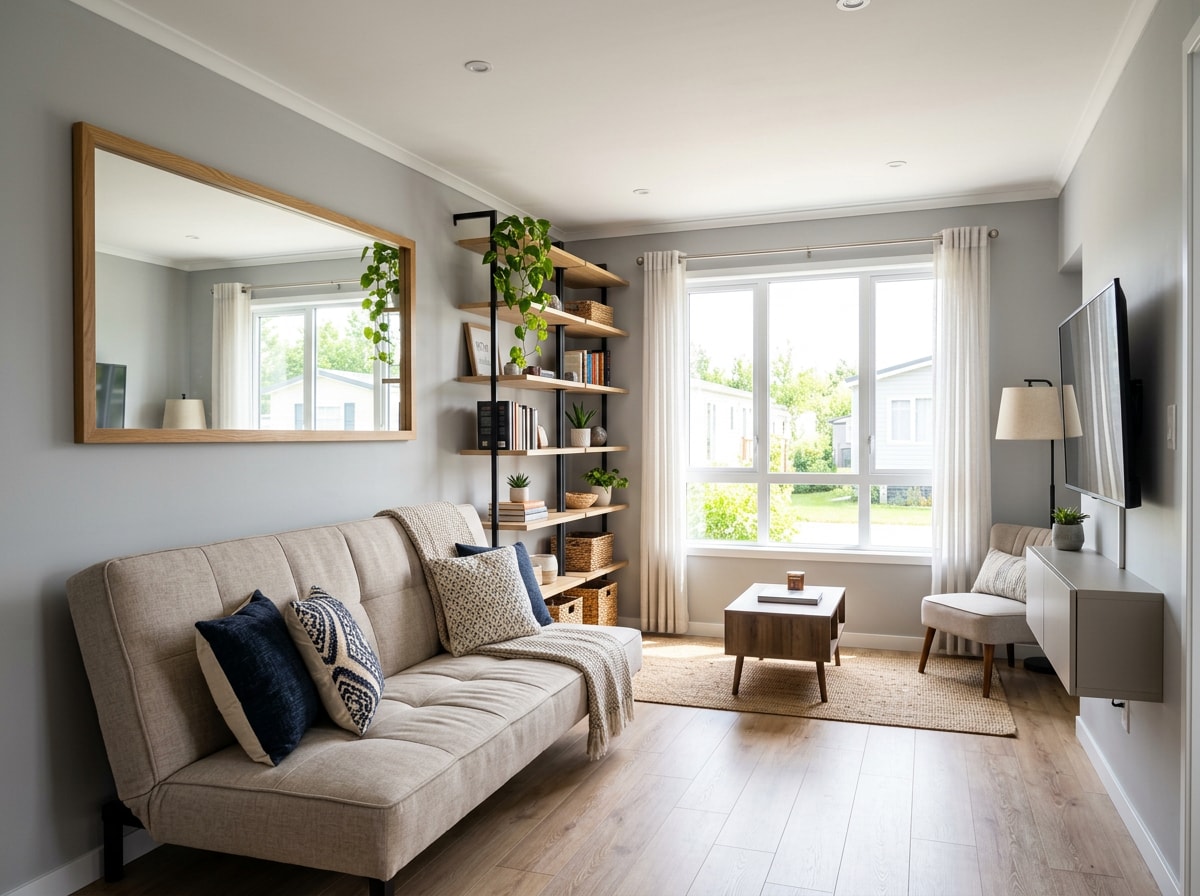
Manufactured homes often have limited square footage, making it essential to use every inch well. Multifunctional furniture, like a sofa bed or expandable dining table, and vertical storage solutions help stretch tight layouts further.
Light wall colors, mirrors, and strategic lighting also create the illusion of a larger area without any structural changes at all. These low-cost moves change how a space feels day to day.
2026 Mobile Home Remodeling Costs: What to Expect
Here's how the category figures above line up side by side:
| Project | DIY Cost | Professional Cost |
|---|---|---|
| Roof coating (single-wide) | $300–$600 | $1,200–$2,500 |
| Skirting (single-wide) | $600–$1,500 | $1,500–$3,500 |
| Flooring (per room) | $200–$800 | $600–$2,000 |
| Kitchen updates | $300–$1,500 | $1,500–$5,000 |
| Bathroom remodel | $1,500–$4,000 | $4,000–$10,000 |
| Whole-home remodel | $8,000–$20,000 | $20,000–$50,000+ |
The sequencing logic holds throughout the table. Start with what protects the home (roof, skirting, windows, doors, underbelly), follow with systems like plumbing, HVAC, and electrical, then finish with flooring, fixtures, paint, and hardware.
Single-wide homes generally land at the lower end of these ranges. Double-wides, with roughly double the exterior surface and often more bathrooms, push toward the higher end for nearly every category, from roofing to flooring.
Labor costs in the Twin Cities and St. Croix Valley area track local contractor rates rather than national averages, so it's worth getting at least two local quotes before locking in a DIY-versus-professional decision. Permitting timelines through local building departments can also add a few weeks to a professional project versus a straightforward DIY cosmetic update.
If your project is closer in scope to new residential construction than a quick refresh, a local team can help you scope it realistically before you commit to a budget. Visit the BRZ Construction homepage to see the full range of services, or get a free estimate to start the conversation.
FAQ
Can you remodel a mobile home to look like a single-family house?
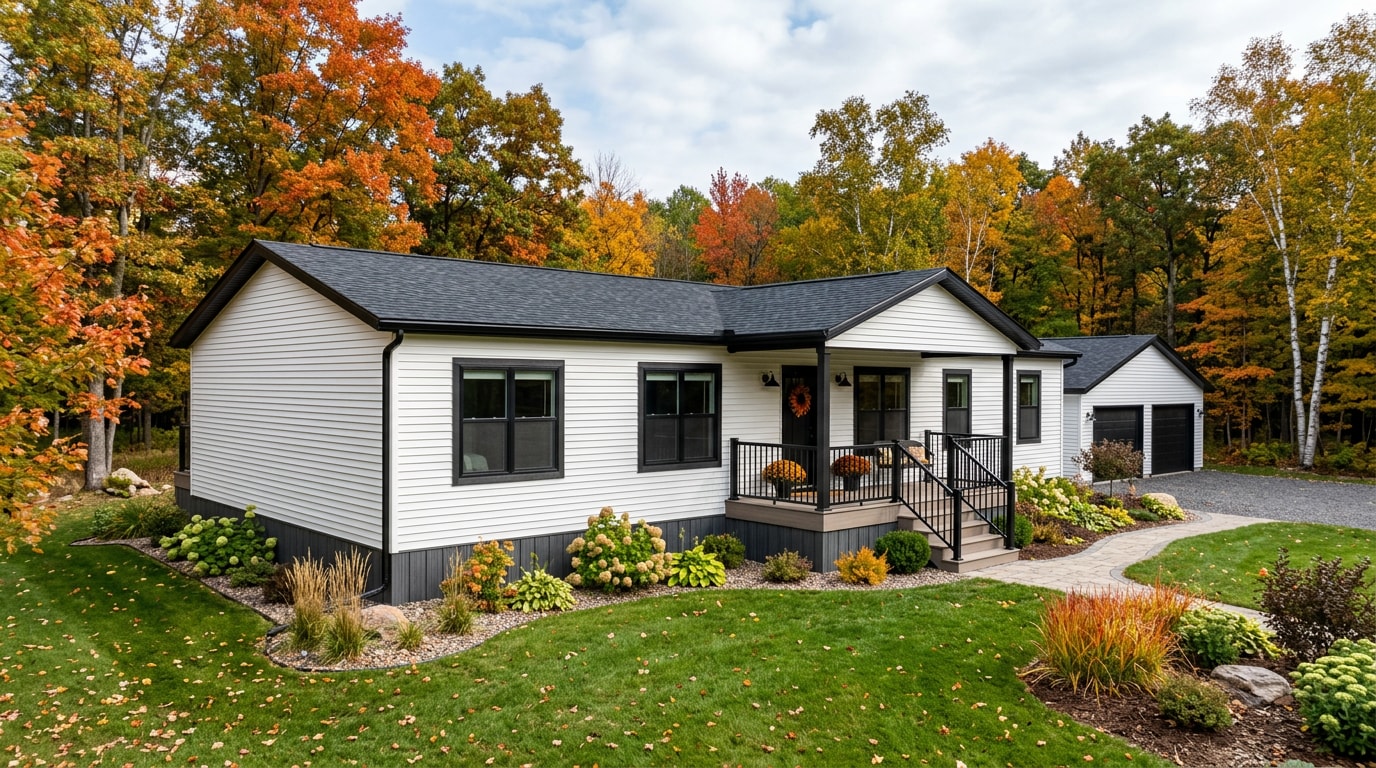
Yes. Replacing the roof and eaves, installing larger doors, adding drywall and upgrading trim, removing ceiling texture and excess moldings, and upgrading cabinets and bathroom vanities are the typical ways to make a manufactured home read as a traditional house. The roofline and door proportions change the home's silhouette, while interior finish changes remove the visual cues that signal "manufactured" rather than site-built.
How much does it cost to remodel a mobile home?
Costs range from a few hundred dollars for a single targeted repair to $50,000 or more for a full professional remodel of a double-wide. Most homeowners land somewhere between $8,000 and $20,000 for a meaningful multi-room update. See the cost table above for category-by-category figures.
Is remodeling a mobile home worth it?
Generally yes, particularly for kitchens, bathrooms, and exterior weatherproofing, since these projects tend to improve both daily comfort and resale value. Energy-efficiency upgrades like windows, insulation, and HVAC work can also pay off through lower utility bills over time, though actual resale impact varies by market and home condition.
Do you need a permit to remodel a mobile home?
It depends on the project. Structural changes, electrical work, plumbing modifications, and some exterior projects typically require permits. Cosmetic updates like paint or flooring usually don't. Check with Stillwater or Washington County directly, since local rules interact with the federal HUD Code that governs manufactured home construction.
What are the most affordable remodeling ideas?
Painting, updating hardware and light fixtures, swapping outlet covers, and refreshing bathroom accessories top the list. See the Budget-Friendly Remodeling Ideas section above for the full rundown of low-cost, high-impact projects.